
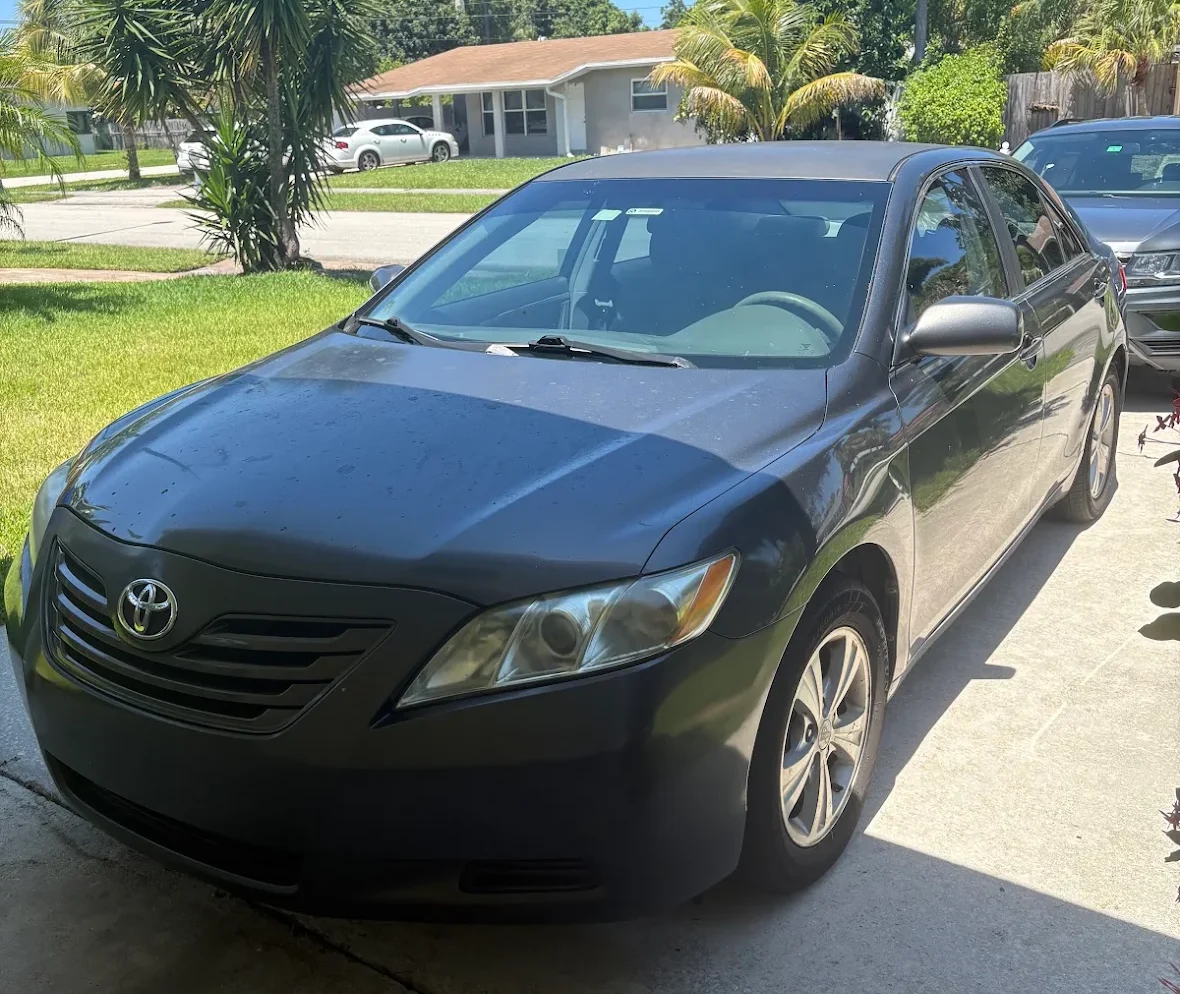
Most people don’t plan on becoming the person in charge of somebody else’s car. It just happens. A parent passes away and leaves behind a fifteen-year-old sedan nobody wants to drive. A roommate moves out of state and leaves their old SUV parked in your driveway. A family member gets sick and can no longer manage their affairs, and suddenly you’re staring at a vehicle with a title in someone else’s name.
If you’ve ever typed “sell car not in my name Florida” into Google at 11 pm while standing next to a car you didn’t ask to inherit, this guide is for you.
At Hercules Buys Junk Cars, we’ve bought vehicles across South Florida since 1991. In that time, we’ve seen just about every version of this situation. Below is what we’ve learned about who can legally sell a car in Florida, what paperwork actually matters, and how to turn a stranded vehicle into cash without a legal headache.
Why This Situation Comes Up More Than You’d Think
Cars outlive relationships, jobs, and occasionally the people who own them. A few scenarios we run into constantly:
- The inherited car. A parent or relative passes, and their vehicle sits untouched because nobody knows if they’re even allowed to sell it.
- The “it’s basically mine” car. A parent bought a car years ago and let their adult child drive it, but the title never got transferred.
- The roommate situation. Someone moved out, left a car behind, and stopped answering texts.
- The divorce or separation leftover. One vehicle, two names, and nobody wants to deal with it.
- The caregiver scenario. An elderly parent can no longer drive, and an adult child is managing the sale on their behalf.
None of these are rare. They’re just situations nobody talks about until they’re standing in the middle of one.
Can You Legally Sell a Car That Isn’t in Your Name?
Here’s the short answer: generally, no, not without proper authorization. Florida law ties ownership to the name on the title, not to who has the keys or who’s been parking it in their driveway for the past three years.
That said, there are legitimate paths forward depending on your situation.
1. If the Owner Has Passed Away
This is the most common version of this question we hear. In Florida, a vehicle that belonged to someone who has died typically needs to go through one of a few paths before it can be sold:
- Small estate affidavit or Transfer Without Probate. Florida allows heirs to transfer a title without going through full probate in certain cases, especially when the estate is small or the vehicle is one of few remaining assets.
- Letters of Administration. If the estate is going through probate, the appointed personal representative can sign the title over.
- Surviving spouse provisions. In some cases, a surviving spouse can transfer the title directly through the Florida Department of Highway Safety and Motor Vehicles (FLHSMV) with a death certificate and supporting documents.
We are not attorneys, and estate law can get complicated fast, especially if there are multiple heirs. If the situation is anything but simple, a quick conversation with a probate attorney or your local tax collector’s office (which handles vehicle titling in Florida) can save you weeks of back and forth.
2. If the Car Belongs to a Living Family Member
If mom, dad, or a sibling is still around but the car is in their name, the cleanest path is a power of attorney specific to the vehicle sale, or simply having them sign the title over to you or directly to the buyer at the time of sale. Florida titles have a seller signature line right on them. If the actual owner is willing and able to sign, that solves most of the problem in five minutes.
3. If You Can’t Locate the Owner
This is trickier. If a roommate skipped town and left a car on your property, Florida has an abandoned vehicle process through local law enforcement or a towing company that can eventually result in a lien title being issued in your name. It’s not fast, and it’s not fun, but it’s the legal route.
What Buyers (Including Us) Actually Need to See
When you reach out to sell a car that isn’t technically yours, a legitimate buyer is going to ask questions. That’s a good sign, not a red flag. Here’s generally what makes a sale go smoothly:
- The original title, signed by the owner of record, or
- Documentation showing your legal authority to sell (Letters of Administration, small estate affidavit, power of attorney), or
- A lien-free title in your name if the transfer has already been completed
One thing worth being upfront about: Hercules does not purchase vehicles with an active lien. If there’s still a loan on the car and the lender’s name is on the title, that has to be resolved first, either by paying it off or getting a lien release from the bank. This is standard across the junk car industry, not just something we require, but it trips people up often enough that it’s worth saying clearly.
A Real-World Example
One family we worked with in Fort Lauderdale had a Buick that belonged to their father after he passed. The car had been sitting in the same spot for almost a year because nobody wanted to deal with probate for a vehicle worth a few hundred dollars in scrap value. Once they got a small estate affidavit from the county, filed for a fee that was less than dinner for two, the transfer took about a week. We picked the car up the same day the paperwork cleared and paid cash on the spot.
The lesson here isn’t that the process is always painless. It’s that most of these situations have a path forward that doesn’t take months, especially when the vehicle itself isn’t worth fighting over.
Quick Checklist Before You Call a Buyer
- [ ] Confirm whose name is on the title
- [ ] Determine if there’s a lien on the vehicle (we can’t buy it if there is one until it’s cleared)
- [ ] Gather any estate paperwork, power of attorney, or affidavit that applies to your situation
- [ ] Have a valid photo ID ready
- [ ] Know the vehicle’s basic condition (running or not, damage, missing parts)
Having these ready before you call cuts the whole process down significantly.
How the Sale Actually Works Once Your Paperwork Is Ready
Many people picture selling a junk car as some drawn-out ordeal. It isn’t, at least not with us. Once you’ve got the right documentation sorted out, here’s what actually happens:
- We come to you. You don’t drive anywhere. We travel to wherever the vehicle is parked: your driveway, a relative’s property, even a storage lot.
- We pay cash on the spot. No waiting for a check to clear, no delayed bank transfer. You get paid the moment we agree on a price.
- We send the tow truck. Whether the car runs or not, our tow truck handles the pickup, so you never have to worry about getting it started or driving it anywhere.
- We fill out a bill of sale. This protects both sides. It documents the sale, the date, and the condition of the vehicle at the time of pickup.
- We haul it away. Once everything’s signed and the cash is in your hand, the vehicle leaves your property for good.
- You file a Notice of Sale with the DMV. Once the vehicle is gone, it’s on the seller to notify FLHSMV that the car has been sold. This step protects you from any tickets, tolls, or liability tied to the vehicle after it leaves your hands.
- You return the tag. Florida requires the license plate to be returned or transferred; it doesn’t stay with the vehicle. Hold onto it after pickup and drop it off at your local tax collector’s office.
That’s the whole process. No repeated site visits, no chasing down a title company, and no vehicle sitting around for weeks waiting on logistics. The only steps left on your end after pickup are the Notice of Sale and returning the tag, both quick and both important for your protection.
Frequently Asked Questions
Can I sell my parent’s car without a title in Florida? It’s difficult but not always impossible. FLHSMV allows for a bonded title or replacement title process in some cases. Contact your local tax collector’s office to start that process before trying to sell.
Does Hercules Buys Junk Cars buy cars with liens? No. We do not purchase vehicles that have an active lien. The lien needs to be satisfied or released first.
What if two family members disagree about selling the car? This is a family and legal matter outside what any buyer can resolve. All parties with legal ownership interest generally need to agree or one needs documented authority to act on behalf of the others.
Do you buy cars, trucks, and SUVs, or just sedans? We buy cars, trucks, SUVs, and vans in any condition, running or not. We’ve been doing this across South Florida since 1991.
Do I have to do anything with the DMV after I sell my car? Yes. After the sale, you’ll need to file a Notice of Sale with FLHSMV so the vehicle is no longer tied to your name for tickets, tolls, or liability. You’ll also have to return the license plate to your local tax collector’s office, since tags don’t transfer with the vehicle in Florida.
Where We Buy Junk Cars in Florida
Hercules Buys Junk Cars is based in Pompano Beach and picks up vehicles throughout:
- Broward County (Fort Lauderdale, Davie, Weston, Pompano Beach)
- Miami-Dade County (Miami, Hialeah, Miami Lakes, Miami Gardens, Miami Beach, Aventura, Doral, Kendall, North Miami)
- Palm Beach County (Boca Raton and surrounding areas)
If your situation falls anywhere near these areas and you’ve got a title question standing between you and a payday, give us a call before you assume it’s too complicated to solve.
Ready to Turn That Car Into Cash?
Whether it’s your late father’s Camry sitting in the driveway or a roommate’s abandoned Civic taking up your parking spot, you don’t have to figure this out alone. Call Hercules Buys Junk Cars at 954-527-1990 for a free, no-obligation quote. We’ll walk you through exactly what paperwork you need for your specific situation. Once it checks out, we’ll come to you, pay cash on the spot, send a tow truck, fill out a bill of sale, and haul the vehicle away, often the same day.
We’ve been buying cars, trucks, SUVs, and vans across South Florida since 1991. No lien vehicles, no runaround, just straight answers and fair offers.